
Can Your Teeth Feel Loose After Deep Cleaning?
If your teeth feel loose after a deep cleaning, that’s actually empty space where tartar was previously packed around them. Your tongue finds the gap before your gums settle into it. The teeth are not loose. That space is now free to heal, the way it was meant to. However, there is a second group of patients to whom this happens, as we discuss below.





What You Are Actually Feeling?
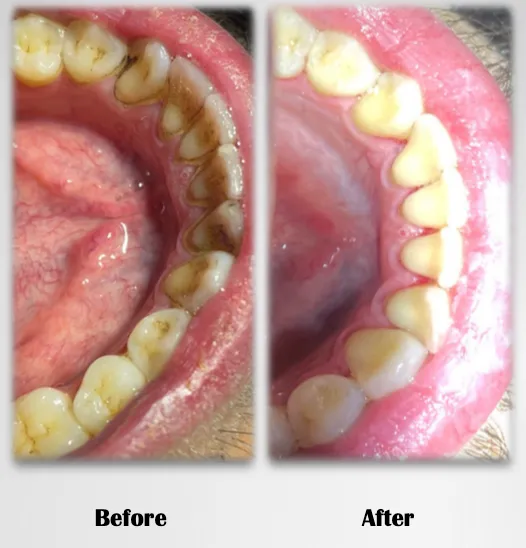
Tartar builds in layers around the neck of the tooth and under the gum. It fills space. When I take it off, that space is open for the first time in years, and your tongue feels this difference.
The tongue has a lot of nerves that help you feel your teeth and different sensations, so what you notice comes across stronger than it is.
The tooth has not changed. What was sitting against it has, and patients almost always blame the cleaning or the instruments. That is the wrong target.
When the Looseness Is Real?
There is a second group of patients, and I will not pretend they do not exist.
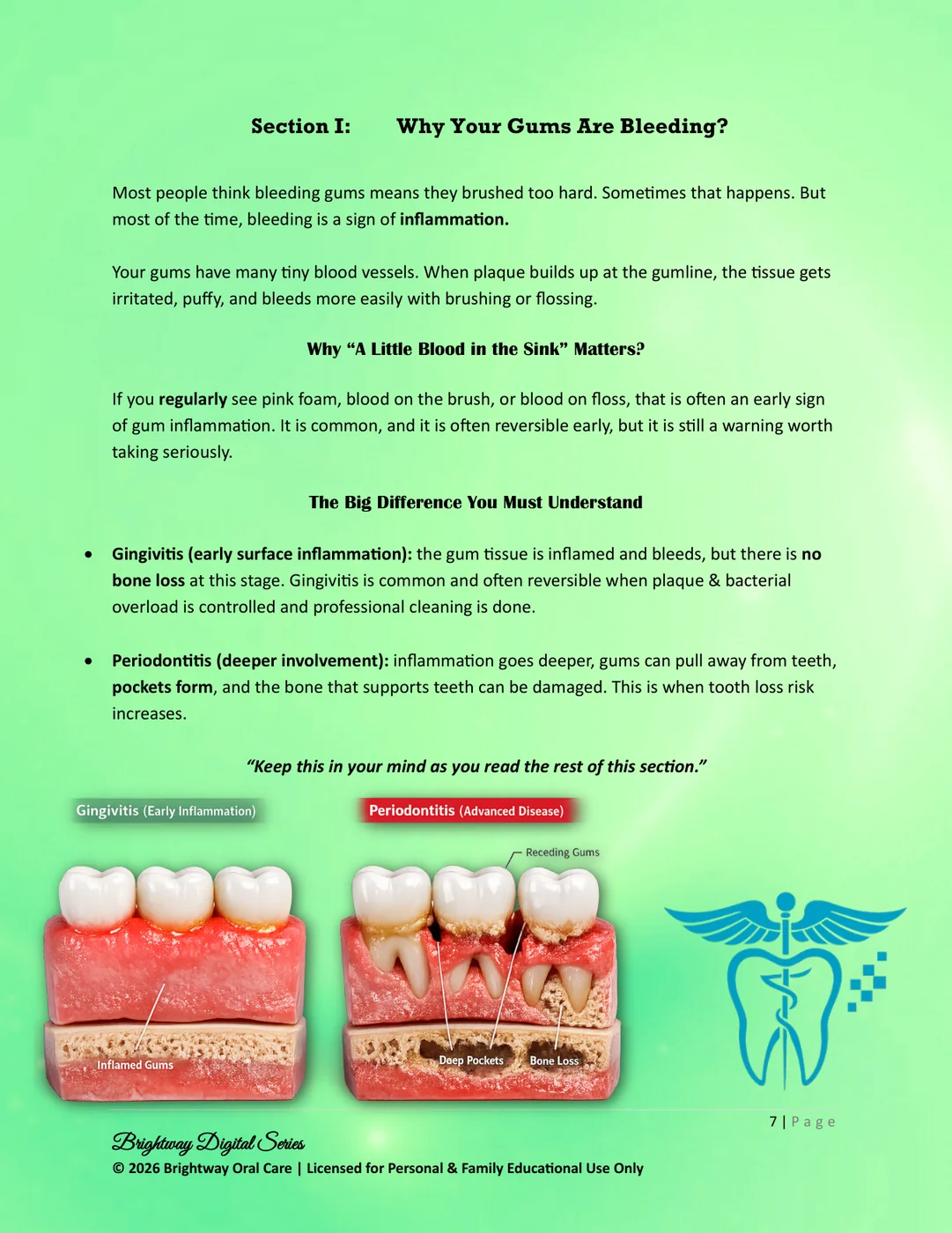
In advanced gum disease, the bone around the root has already pulled back. There is less bone holding the tooth already. The teeth look longer, and they do move, which did not start during the appointment.
It happened slowly, over years, while the buildup was still there covering it up. The bone that has already gone does not come back.
Most people never reach that stage. If you have cleaned your teeth reasonably well, the bone under your gums is intact, and nothing in a cleaning appointment threatens it.
The Clinical Examination Before a Deep Clean
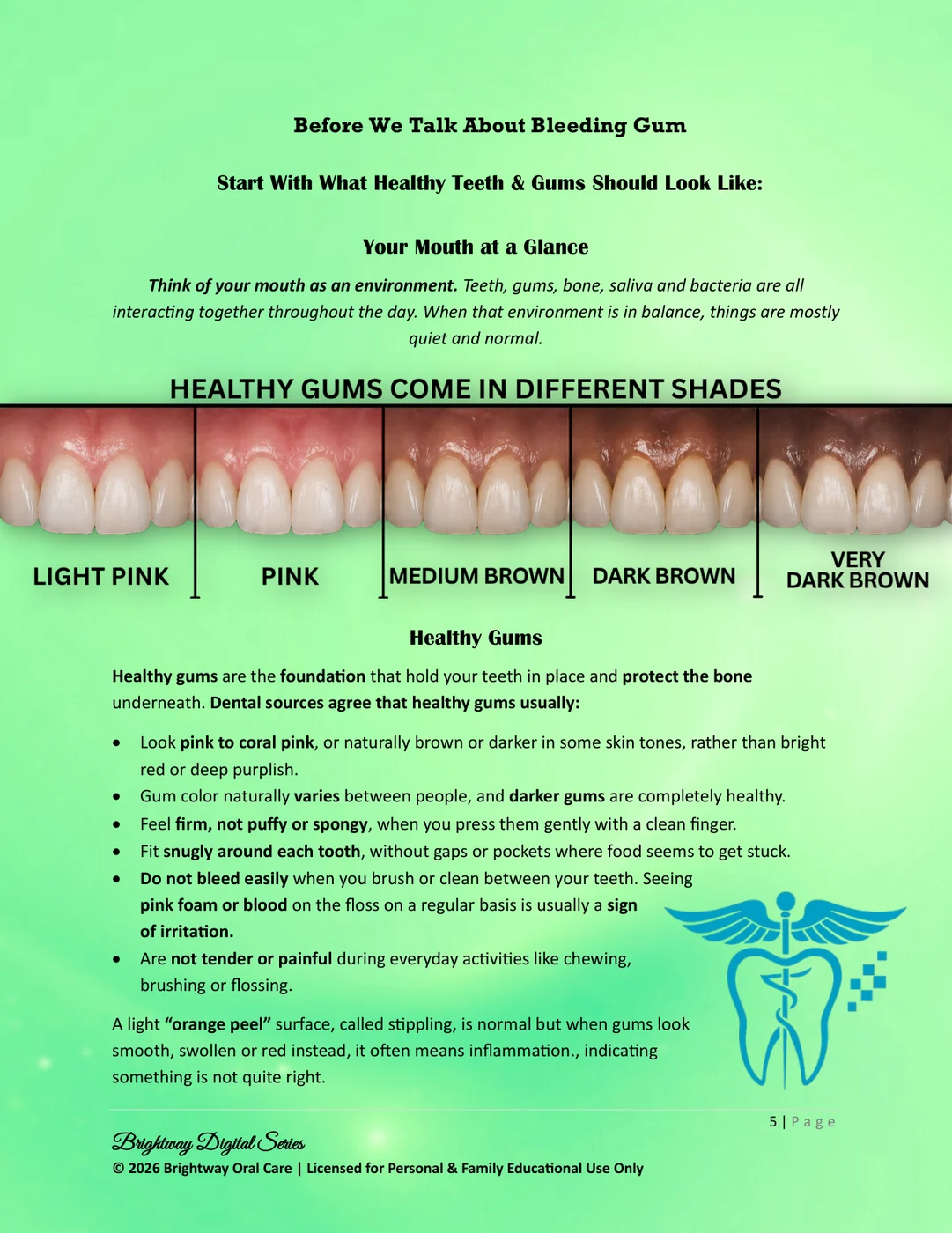
I do not start treatment without looking first. Before an instrument goes near the gum, I already know how much bone is there and how much each tooth moves on its own.
If a tooth is likely to feel loose afterwards, the patient hears that from me before we begin, not after. That conversation is also where I settle most of the worry people bring in about what a deep cleaning actually involves.
In a small number of cases with very advanced inflammation, a tooth has come out during treatment because there was almost nothing left holding it. That is the reason the assessment happens first, and the reason nothing gets treated before it’s investigated.
If a tooth still feels loose 2 weeks after a deep cleaning, or it shifts when you bite down, that is not the gap settling. Have it checked.
What the Cleaning Is Actually Doing for You?
The deposit I take off is not a stain, but a hard layer holding live bacteria against your gum, day and night; the cause of gum inflammation.
The irritation stops as the buildup is removed, but once tartar has hardened, no toothpaste or rinse can remove it.
What happens next is that bleeding settles, and the gum tightens back against the tooth, which is exactly why the open feeling starts to settle.
Breath improves, because a good part of the smell was also coming off that layer.
It’s important to note that if the problem is only in the gum, it goes back to normal, but when bone has already been lost, the cleaning will not rebuild it, only stop further bone loss.
FAQs
Can a deep cleaning loosen a healthy tooth?
No. Removing tartar takes away deposits, not supporting attachment. A tooth with healthy bone around it is exactly as firm after the appointment as it was before.
How long does the loose feeling last?
For most people, it fades as the gum tightens back against the tooth in the following 10 to 14 days. That is the same window in which gums settle after a deep clean.
Should I stop cleaning between my teeth while it feels loose?
No. That is the worst time to stop. The gum settles faster when the area is kept clean.
The Tartar Buildup Was Never Holding Your Teeth In!
It felt solid, so people assume it had a job to hold teeth in place. It was, in fact, a deposit sitting outside of the tooth and pushing the gum away.
The uncomfortable part is that the tartar took years to build, so the gum underneath it needs a little time to recover. That feeling of space is the recovery starting, not damage.
If you want to know what stage your gums are actually at, I have built a system that will give you a complete plan for your gum care needs.
If you have facial swelling, fever alongside tooth pain, pain spreading towards your eyes or neck, trouble swallowing, or limited mouth opening, contact your dentist and seek urgent care immediately.