
Is Tooth Sensitivity Normal After a Deep Cleaning?
Sensitive teeth after a deep cleaning are expected if tartar was sitting over an exposed root surface because it has no enamel, and once that’s gone, you may experience sensitivity to cold air and water. However, if your roots were not exposed, sensitivity is not the usual outcome.





The Root Surface Is the Whole Answer
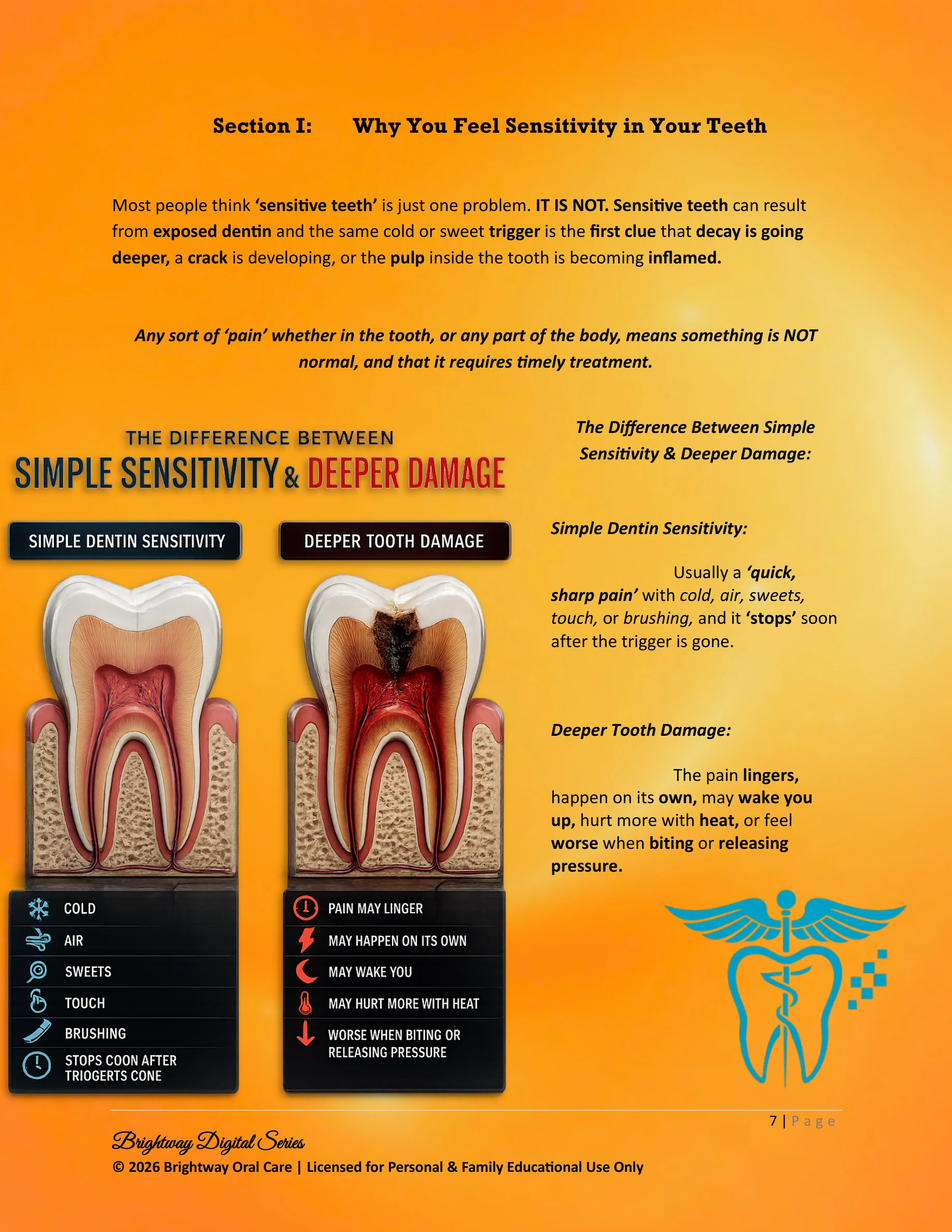
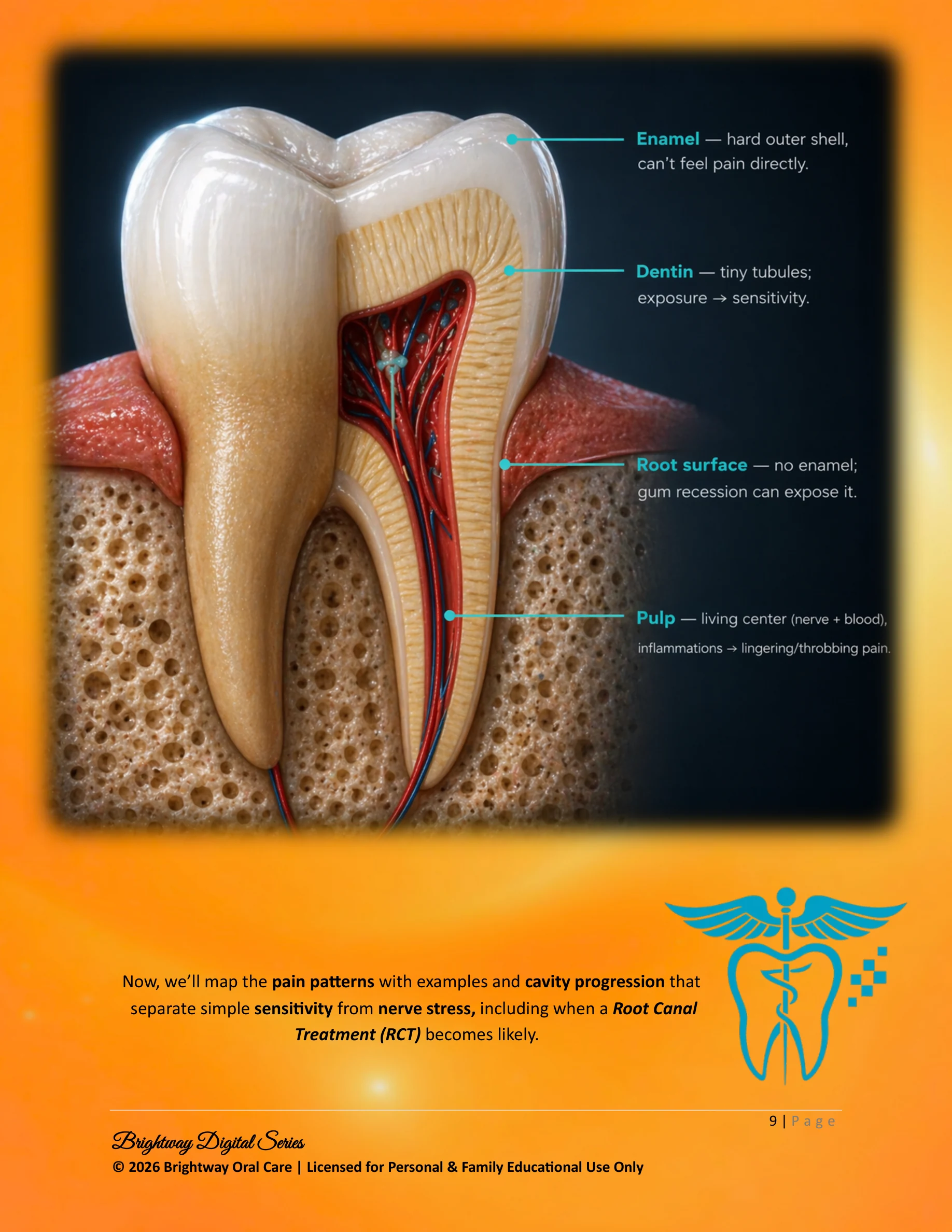
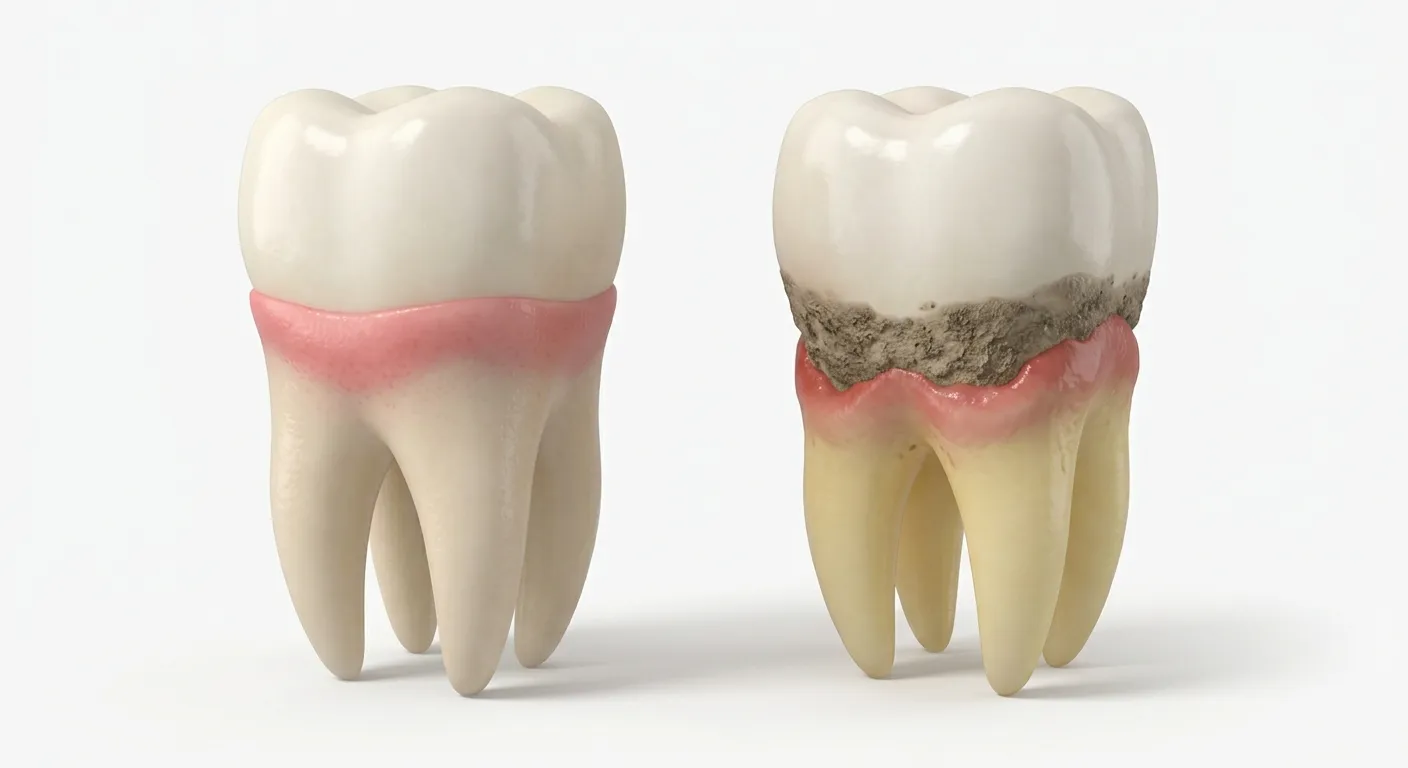
Enamel covers the crown of your tooth. It stops at the gumline. Below that, the root has no enamel on it at all.
When the gum has pulled back over the years, that root surface is uncovered. Tartar then builds over it and sits there like a lid. You never felt the root, because nothing cold ever reached it.
After roots become exposed, that surface meets cold water, cold air, and sugar directly.
The tooth isn’t damaged, and the sensitivity comes from dentine that was already uncovered, not from anything taken off your tooth.
The Confusion Can Come From If You Had Root Cleaning Done?
A routine cleaning, on a mouth with healthy gums and no exposed roots, does not usually leave teeth sensitive.
However, work done on the root surface, for established gum disease, is a different procedure. There, the root was already exposed before we start, and sensitivity afterwards is common, and I tell those patients to expect it before we begin.
How Long It Lasts?
After a routine scale, most people settle within a few days.
After root surface work, it takes longer, and sensitivity tends to peak in the first week and then reduce.
The pattern to watch is that it should be easing, and not getting worse.
What Helps While It Settles?
3 things, and they are almost the same for every patient.
- Use a desensitizing toothpaste properly. Most people brush with it and rinse straight away, but to make it work best, put a little on the sensitive spot, leave it there for a few minutes, then rinse.
Here is why it helps:
The root surface is full of microscopic channels running from the surface down towards the nerve.
Cold travels along those channels, which is why one sip of water can sting. A desensitizing toothpaste blocks the openings, so less of the signal gets through.
- Avoid the triggers directly. Cold drinks, soft drinks and hot beverages. Not forever, just while the surface calms down.
- Keep cleaning the area. Gently, but keep going. Leaving it alone lets the deposit build back over the root, which is what caused the problem in the first place.
After a routine cleaning, sensitivity that is still there at 2 weeks is worth a second look. After root surface work, it can take longer than that, but it should be easing week by week. If it is holding steady, getting worse, or waking you at night, go back and have it checked.
FAQs
Did the cleaning damage my teeth?
No. Nothing was taken off your tooth. What came off was tartar, and what you are feeling is the root surface it was covering.
Will it come back every time I get cleaned?
No, not if you visit regularly. The sensitivity follows years of buildup sitting over an exposed root. Come back on schedule, and there is very little left to remove.
Should I stop brushing that area?
No. Keep cleaning it, gently. Leaving the area alone lets the deposit build back, which is what started this.
Sensitivity Is Information, Not Damage
A tooth that reacts to cold is telling you something about its surface. After a cleaning, it is usually telling you that a root was uncovered long before you sat in the chair.
That is worth knowing, as there are a multitude of reasons tooth sensitivity can happen, along with limits to what gums can recover naturally when left unchecked for a long time.
If you want to understand what your teeth are reacting to, and what to do about it at home, I have built a complete system for tooth sensitivity.
If you have facial swelling, fever alongside tooth pain, pain spreading towards your eyes or neck, trouble swallowing, or limited mouth opening, contact your dentist and seek urgent care immediately.