Why Your Tooth Can Still Hurt Even After Anesthetic Is Given By Your Dentist
If your tooth still hurts after anesthetic but your lip is numb, it usually means the nerve inside the tooth is inflamed, which is harder to switch off, and there are several things your dentist can do about it.

Here is what is actually happening, and what I do to tackle this problem.
1. The 1st thing I check is the lip
When my patients tell me they can still feel the tooth, I don’t go for repeat anesthetic. I check the lip.
That injection targets the nerve that serves your lower lip, chin, and lower teeth, on one side (right or left). So your lip is a report card. If your lip is numb, the anesthetic landed where it should.
Which means it is not a failed injection, but a sign that the problem sits inside the tooth itself.
2. What does it mean when your lip is not numb?
If the lip is not numb, then the injection missed, and that is a much simpler problem to solve.
Nerves do not sit in exactly the same place in every person, so aim can be slightly off. When that happens, I give the injection again, usually a little higher.
Your body is not resistant to anesthetic normally; there are exceptions, but that’s not a problem to discuss in this article. It usually means the needle was just in the wrong spot by a few millimeters.
3. Why an inflamed nerve is harder to numb
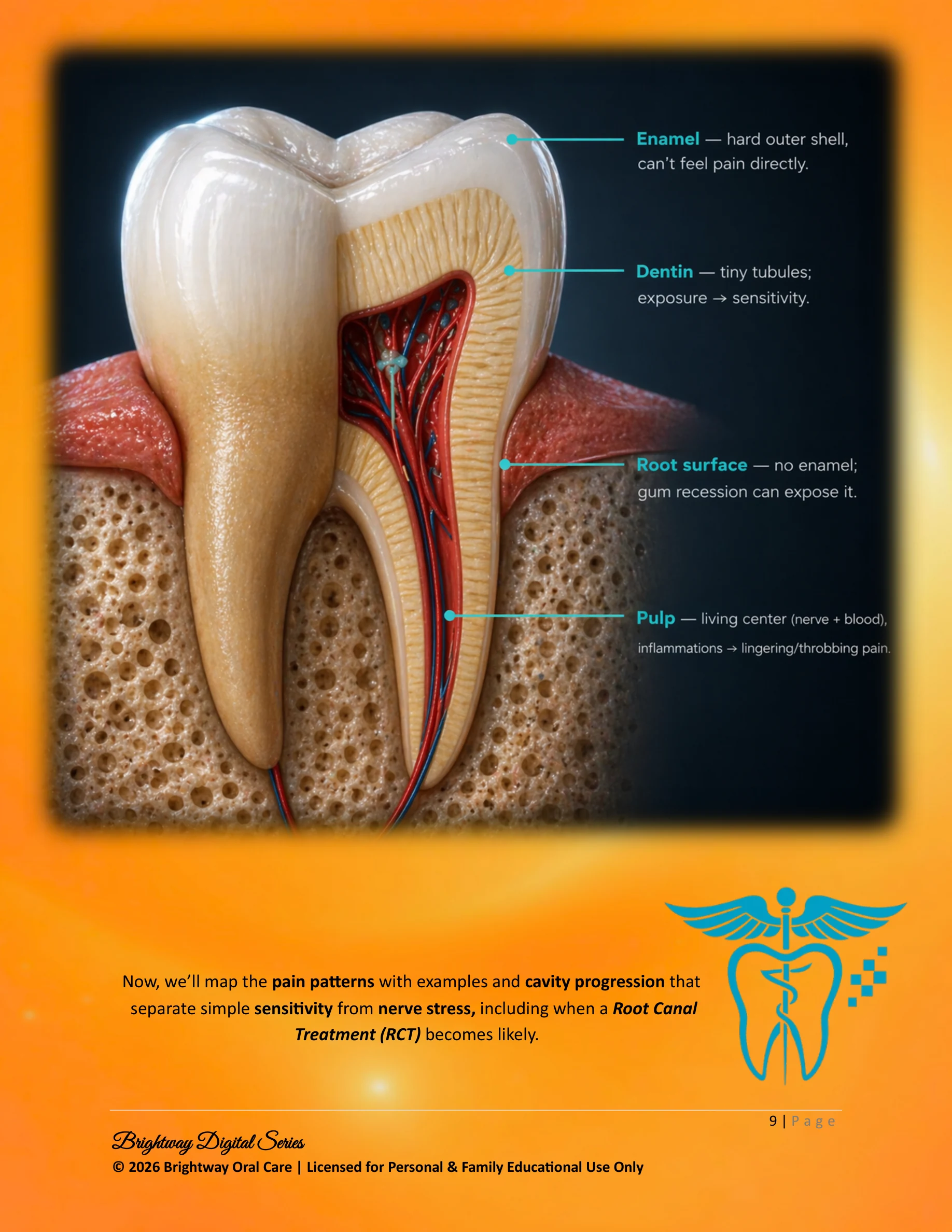
The nerve of a tooth sits inside a sealed chamber. When it is inflamed, 2 things change.
First, the tissue turns more acidic, and anesthetic works best in normal conditions. In acidic tissue, less of the drug reaches the nerve.
Second, an inflamed nerve is already firing hard, and it takes more to quiet it down.
This is not rare. In teeth with an inflamed nerve, a review of clinical trials found that the failure rate of anesthesia is anywhere between 30 – 90 %.
We dentists call this a “hot tooth.” It is common and well understood. It is also why the same injection that worked fine for a filling 2 years ago may not be enough today.
4. Can More Injections Help?
I do add a second, smaller injection right beside the tooth, on the cheek side. That numbs that area directly rather than through the main nerve. For most stubborn lower back teeth, this is the step that settles things.
A review of the evidence found that adding an additional injection, either beside the tooth or into the tooth’s ligament, raises success well above the standard nerve block on its own.
There is a smaller habit that helps too. As I withdraw the needle from the first injection, I release the anesthetic slowly on the way out. That catches a smaller nerve running to the gum on the cheek side. It costs nothing, and it often makes the difference.
If the tooth still resists, I change the drug rather than pushing the dose.
A different type of anesthetic can spread through bone better than the standard choice. Some are slower to start, but can last much longer.
On a genuinely hot tooth, both have worked better for me than the usual option.
Injections in the ligament that holds the tooth in its socket can also help, but it can sting a little.
I would rather tell you exactly what is coming than surprise you with it.
5. When do I stop trying?
There is a limit, and I hold to it.
If I have worked at a tooth for around an hour and it is still live, I stop. Pushing further does not get the tooth numb, but rather teaches you to dread the chair, and that costs you far more over a lifetime than one rescheduled visit otherwise.
I instead place a medicine inside the tooth that calms the nerve, seal it temporarily, and reschedule.
In the 2nd visit, the inflamed nerve has already settled by then, and the same anesthetic that struggled last week can now work normally, and is often the fastest route to a comfortable treatment.
6. Do antibiotics help you get numb?
No. They treat infections, and do nothing for an inflamed nerve. The American Dental Association guideline says the same and advises against antibiotics for pain and swelling in most pulp-related conditions in healthy adults.
I reach for them only when nothing has worked, and there are clear signs of infection. I judge that from examining the tooth and from the X-ray, not from the level of pain alone. If I do prescribe them, the plan is to settle the infection first and treat the tooth once it has been calmed.
7. If you are anxious before we even start?
This is honestly my 1st check, before any of the above.
If my patient is tense and not really ready for the visit, no amount of anesthetic fixes that. Anxiety sharpens everything, and pain feels worse than it is.
When I see that, I stop. We talk it through properly. Sometimes we reschedule for another day.
That is not me giving up on you.
It’s because a calm person gets numb more easily and walks out with a different memory.
FAQs
Why did the anesthetic work last time, but not now?
The state of the tooth has changed. A calm nerve numbs easily, while an inflamed one does not.
Can anxiety make it harder for the tooth to get numb?
Anxiety simply raises how sharply you feel everything, so everything may feel like pain, which makes the appointment harder for the patient and the dentist.
Can I ask for more anesthetic?
Yes, because there is no prize for enduring pain, and when you speak up early, it is easier to treat than one who tenses up in silence.
Why did my dentist send me home without finishing?
Usually because the nerve was too inflamed to numb properly that day. Sealing medicine inside the tooth and returning later is a normal, planned step, not a mistake.
Is it normal to still feel pressure when I am numb?
Yes. Anesthetic blocks pain, not touch or pressure. Feeling pressure and vibration while feeling no sharpness means it is working correctly.
“Not All Tooth Pain is the Same Kind”
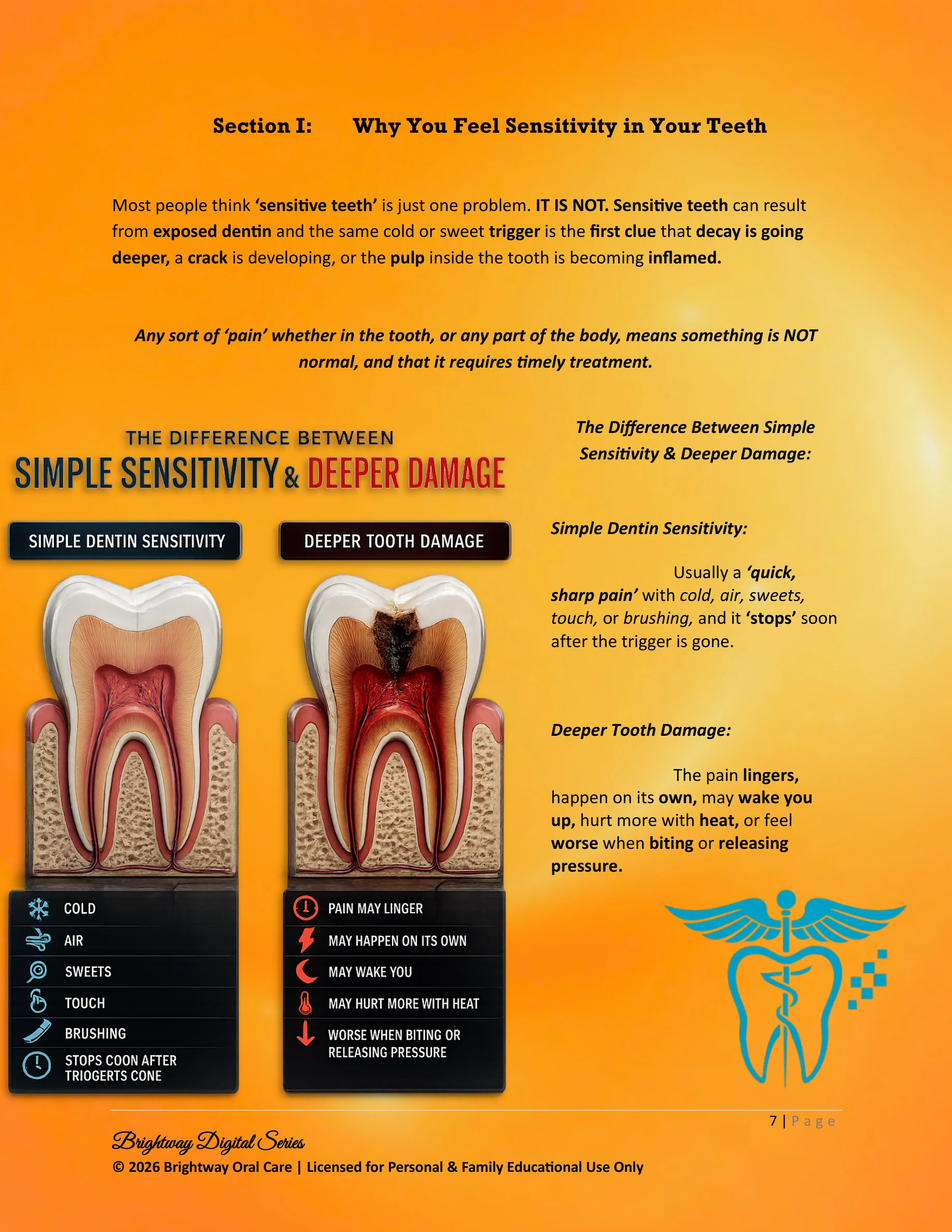
What I have described here is an inflamed nerve inside a tooth. It builds, it lingers, and it often wakes you at night.
Another kind of pain that can feel similar is a sharp twinge from cold air, water, or something sweet. It spikes, then it is gone in a second or two.
That one is not an inflamed nerve, and it has a different cause, different answer, different next step.
Most people cannot tell which one they have, and the difference decides everything that follows. My tooth sensitivity system walks through how to tell them apart, and what each one actually needs.
If you have facial swelling, fever alongside tooth pain, pain spreading towards your eyes or neck, trouble swallowing, or limited mouth opening, contact your dentist and seek urgent care immediately.