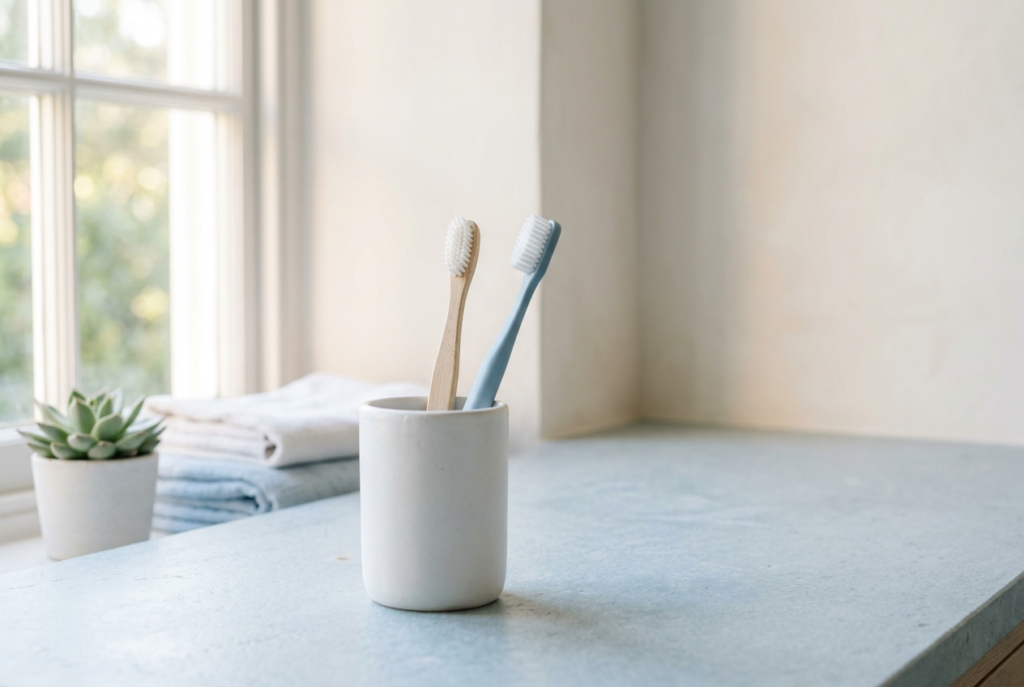
Should I Replace My Toothbrush After Being Sick?
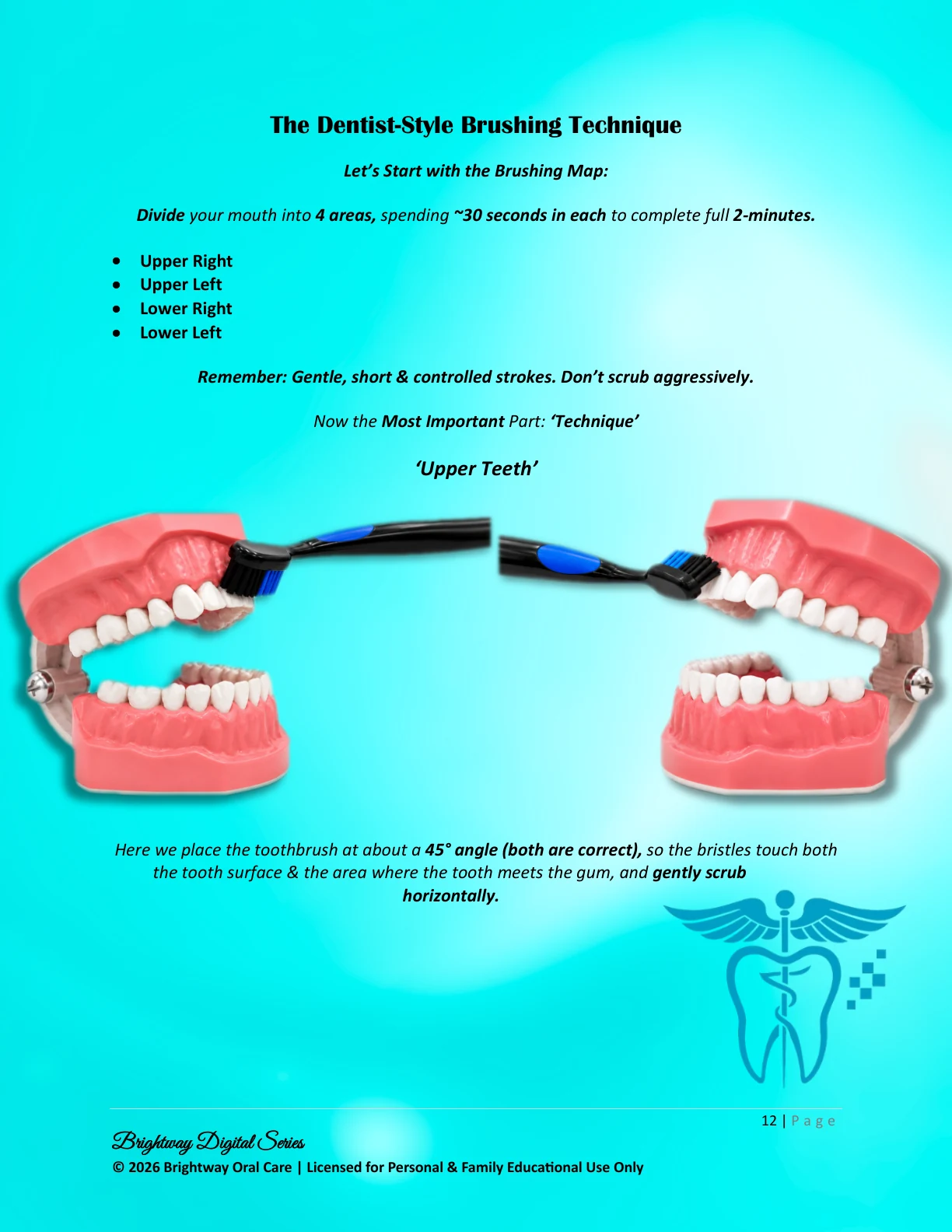
Yes, and it carries a risk of cross-contamination for the family because, in most homes, toothbrushes share a single holder, and certain bacteria and viruses are highly resistant, making replacement a logical choice. The complete science behind oral care is explained in our How to Brush & Floss Like a Dentist System.




The Most Logical Choice Is to Replace It
A toothbrush cannot be sterilized; bacteria and viruses from the mouth survive on a damp toothbrush. Sterilization, like in a clinic’s autoclave, is the most reliable way of killing microbes, even highly resistant ones.
Most families also keep their brushes in a single cup holder, creating a direct route for cross-contamination, and a brush head costs very little; it isn’t a reason to keep one that has potential remaining microbes, or have your loved ones at risk.
Reasons Why It Matters More in Certain Situations
It matters most for people who cannot afford the risk. That includes immunocompromised patients, people having chemotherapy, people on immunosuppressants after a transplant, people with poorly controlled diabetes, and people with advanced HIV.
The concern is that even normal mouth flora can cause serious illness in someone whose immune system is not able to hold it in check.
The other case is a recent hospital stay, because organisms like MRSA, which are highly resistant, are not uncommon in healthcare facilities, and they survive very well on surfaces. A brush used during or just after a hospital stay is best replaced.
UV Sanitizers Reduce the Germs but Do Not Sterilize
A UV device can reduce the bacterial load on a brush. It does not sterilize it, and sterilization is the only reliable way to eliminate microbes.
A consumer UV lamp will not deal with bacterial spores, and neither will a household disinfectant. If disinfectant were enough, sterilization equipment would not exist. The same goes for rinsing the brush in mouthwash or in household cleaning agents.
Cleaning a brush this way helps a little, but replacing it is best.
How Dry Mouth Affects You During and After an Illness
Bad breath and sensitivity during an illness can be directly linked to saliva flow, which decreases particularly after cold medication e.g. antihistamines and nasal decongestants, drying up the mouth, causing a disruption of normal bacterial balance in the mouth.
Sugar-free xylitol gum, frequent water intake, and a mouthwash can help in this situation if you are not using one already.
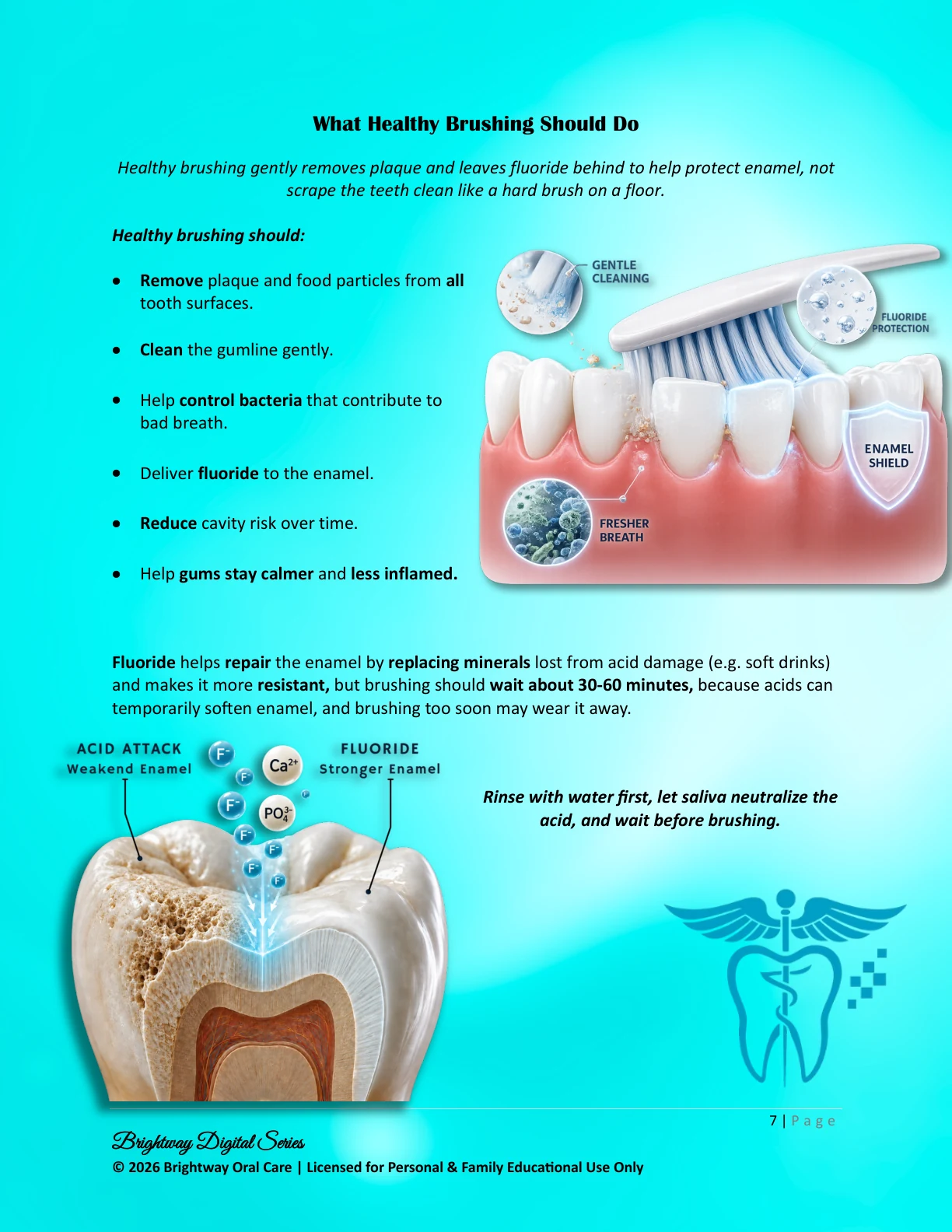
If you have been vomiting, rinse with water and wait around 30-60 minutes before brushing, because brushing enamel that has just been coated in acid can cause permanent damage to the tooth.
FAQs
Do I need to replace the whole electric toothbrush?
No, only the head of the brush needs replacing.
Can I boil or microwave my toothbrush instead?
Heat damages the bristles and still does not sterilize the brush, and a new head costs less than this effort.
Should everyone in the house replace theirs?
If the brushes shared a holder and touched, yes. That contact is the route germs travel.
Why does my breath smell worse when I am ill?
Illness and cold medication both dry the mouth, and less saliva means a higher bacterial load.
If you have facial swelling, fever alongside tooth pain, pain spreading towards your eyes or neck, trouble swallowing, or limited mouth opening, contact your dentist and seek urgent care immediately.